Boring individuals are boring because they are uninteresting, tiresome, demotivating, and discouraging. They deplete your mental and emotional vitality, leaving you drained and exhausted. Becoming a boring person can scare a lively person away.
So when someone deems you dull, it can feel harsh but it’s important you work on yourself.
Times, some people run out of what to say to each other. What you just read happens when two personalities meet or when a lively person meets a boring person.
Then confusion set in: Am I less attractive than I thought?
While most of us feel bored and not-so-awesome sometimes, a boring personality can be a headache and make any setting unpleasant. If you’ve ever wondered, “Do I have a boring personality?” here are some frequent symptoms of a boring person:
Lack Of Passion
When was the last time you set a goal for yourself? When was the last time you pursued a goal zealously? People admire people who are enthusiastic about their dreams and goals. Individuals who have overcome adversity to reach the pinnacle of prosperity. That is what the public wants to see and hear. That is what motivates them. People would feel bored in your presence if you lack genuine passion. When you don’t feel enthused about anything, act passively, appear expressionless, and speak without enthusiasm, you come across as disconnected, hopeless, dry, and uninteresting.
Lack Of Emotional Intelligence.
Emotional intelligence (EI) allows us to manage our emotions and comprehend how others feel. When you lack emotional intelligence, you become dogmatic, rigid, and unable to understand the viewpoints of others. This makes you an utterly uninteresting person. Maintaining happy and healthy relationships, as well as a successful profession, requires emotional intelligence. Being emotionally disconnected from others makes it difficult to connect with them.
A lack of emotional intelligence also leads to a lack of empathy, which prevents you from understanding what others are going through. You cannot participate in tough conversations because you cannot relate to them, making you appear superficial and bored. People will avoid you if you become highly self-centered and your life revolves solely around you.
Emphasizing On Your Dislikes
Suppose their identity is founded on rejecting what they dislike rather than embracing what they like. It makes you minor, one-dimensional and separated from the rest of the world. Have you ever observed that when people express their “unpopular thoughts,” it is invariably about something they dislike? Disliking something has become popular since there is no risk in opposing something. You become an individual by adopting something controversial.
Close-mindedness. I can’t hold a discussion with you for more than 30 seconds if you can’t respect a different lifestyle, opinion, and ideology, because yours is the “correct one.”
Lack Of Sense Of Humour
Humour demonstrates “cognitive flexibility”: the ability to evaluate an idea or an event from various viewpoints and then, naturally, make light of it. Boring folks don’t have it.
Humour is contagious. If you are good with humour, you are more likely to influence people around you.
A boring person lacks Personal Opinion
Boring people don’t have their personal opinion.They are often known as the “Oh Yes Member”
Suppose you have little or no knowledge about events and the world around you. You will be blank in the midst of good conversations.
A boring person lacks Personal Improvement
A person who doesnt want to get better; always focus doing same thing that is bringing failed result. Not taking responsibility, reading, exercising, meditating, and not being consistent in good work is great turn off.
No Sense of Humour
Everyone requires amusement, but that entertainment must be earned. We all need time to unwind and let our hair down, but that time should come after a day of working hard to improve our and our loved ones’ lives. You seem uninteresting and dull when you forego self-development to become an expert on the latest online series.
You talk more about yourself
Do you spend much time talking about yourself? While discussing oneself may be your favorite topic, and you may feel it highly intriguing, it may be very dull to others. Constantly talking about oneself is one of the most telling indications of a boring personality. Yes, sharing your success, challenges, thoughts, and feelings with your friends and loved ones is acceptable and essential. No one wants to hear you gripe about your life’s problems or brag about how fantastic you are every time you open your lips.
People will perceive you as dull if the topic continuously returns to you and your life. A person with boring personality qualities is unconcerned with what others might be interested in; instead, they focus on what they wish to discuss. If it does not concern you, you will not find it intriguing. That is precisely when others will find you uninteresting.
A boring person lacks Personal Opinion
Boring people don’t have their personal opinion. They are often known as the “Oh Yes Member”
Suppose you have little or no knowledge about events and the world around you. You will be blank in the midst of good conversations.
A boring individual never contributes to a conversation. They have no opinions, never dispute or argue, and never speak for themselves. Ever. This is primarily due to their lack of enthusiasm for anything in life. They have no hobbies, no new skills to learn, no further information to know, and no time to engage in self-development. As a result, they don’t have anything to say.
Hence, if you become comfortable with your type of personality (boring person), people start losing interest in you when they can’t learn anything from you.
Boring people constantly repeat themselves.
It’s boring to live a sedentary existence with little diversity. “Diverse experiences enhance one’s ability to converse in the pub on weekends. You truly have something to say.”
You’ll probably feel better about yourself because novelty and challenge make people happy.
Conclusion
Negativity
A boring person has a negative mindset; People who sees opportunities, success, beauty, fun in a given situation can easily observe such trait.
Negativity is one of the most toxic emotions. It can make you feel low, unproductive, and unhappy.
The first step to eliminating negativity is to be aware of it.
Once you know how negativity affects you, the next step is identifying where it comes from and why it’s there. This will help you understand what triggers your negativity so that you can avoid those triggers or handle them better.
It’s also important to remember that positivity doesn’t always mean being happy all the time. It means being open-minded, optimistic, and resilient even when things get tough.
—
Set Healthy Boundaries and Learn to Say No
Do you ever felt pressured to perform an act you don’t want to do but give in because you couldn’t say no?
You might feel like you need to help them because it’s your duty, and you’re trying to be a good person.
Setting healthy boundaries and following through with them is important for your well-being.
When you’re trying to be kind and hope that by agreeing to do things you don’t want to do or constantly giving in to impress others might leave you empty.
Learn how to say no to certain requests, in order to create a balance.
2. Stop unnecessary complaint
Constant complaints can be a turn-off to anyone, no matter how patient they are.
once you find out that you are being unnecessarily triggered about everything, maintain calm, and try to view the positive sides.
If you are having a terrible day, it’s okay to talk about it, but don’t make it a habit of being a complainer. blaming the people around you every time will eventually get them tired of you.
make it a habit to show gratitude and work on your mistakes.
3. Stop the Negative Dialogue That You Have With Yourself
This is negative self-talk if you’ve been caught telling yourself that you can’t do something because you can’t learn the skills to do it or hate a specific part of your body.
Your body listens to the things you tell yourself and starts believing in them.
This is very damaging to your self-esteem and self-confidence and can even ruin your entire day.
Remember to be kind to yourself and remind yourself daily that you are strong, confident, and enough.
You deserve everything good.
Once you get into the habit of uplifting self-dialogue, you’ll find that you’re much happier and more positive.
4. . stop comparing yourself with others
Comparing yourself to another person is unhealthy. It is just a never-ending cycle of misery that you don’t want to get sucked into.
No one is perfect, and we all have things that aren’t so great about ourselves and others that are awesome.
Don’t forget that you’re also on a different path with different end goals, so there’s no need to be jealous or sad.
. stop comparing yourself with others; instead, focus on what makes you happy and what sets you apart from the rest of the world.
Just like you, they have flaws, experience down moments, and maybe are even battling something invisible inside that they aren’t sharing with the world.
Instead, find ways to boost your mood and keep yourself happy, bringing out your inner joy and peace and skyrocketing your self-esteem and confidence.
Let Go Of Toxic People
Being around toxic people is bad for your mental health. If you’re able to choose not to associate with toxic people, it’s best to avoid them.
Toxic people, such as close friends or family members, can be people you hold near and dear.
It can even be your partner with whom you’re in a romantic relationship.
Finally, find a hobby you enjoy and can spend time on. This will give you something to look forward to and make you feel good about yourself. Also ask questions to the right people, learn new skills, start self-care activity. And also volunteer to help those who are less fortunate.—
Enhance your SELF-EXTEEM and unlock your true potential. Discover practical tips and strategies to build self-confidence and embrace a positive self-image. Boost your self-esteem today!
Introduction: Unleashing Your Inner Confidence
Are you ready to embark on a journey of self-discovery and empowerment? Self-esteem, the foundation of our self-worth, plays a crucial role in shaping our lives. It influences our relationships, career choices, and overall well-being. In this article, we will explore the power of self-esteem and provide you with actionable techniques to boost your confidence and nurture a positive self-image. Let’s dive in and unleash the power within you!
SELF-EXTEEM: The Key to Unlocking Your Potential
Self-esteem is the perception we hold about ourselves. It encompasses our beliefs, thoughts, and feelings about our worth and abilities. When our self-esteem is high, we have a positive self-image and believe in our capabilities. On the other hand, low self-esteem can hinder our personal growth and limit our achievements. Let’s delve deeper into the concept of self-esteem and understand how it shapes our lives.
Building your self-esteem includes working on your weaknesses and strengths to have a higher opinion of yourself in general. There are many ways to work on this, including being more optimistic, taking care of yourself and your appearance, and spending time with like-minded individuals you respect. — “Self-esteem is in mind, what food is to the body.” – A. Maslow.
We all have ups and downs. This is perfectly normal. Nevertheless, these negative moments must not taint our esteem.
The Impact of Self-Esteem on Personal Growth
Self-esteem serves as a powerful catalyst for personal growth. When we have a healthy level of self-esteem, we are more likely to take risks, embrace challenges, and learn from failures. This positive mindset propels us forward, enabling us to reach new heights and seize opportunities. Conversely, individuals with low self-esteem often hesitate to step out of their comfort zones, fearing failure or rejection. As a result, their personal growth becomes stagnant, and they miss out on valuable experiences.
Recognizing the Signs of Low Self-Esteem
Self-esteem issues can manifest in various ways. By identifying these signs, you can begin to address and overcome them. Here are some common indicators of low self-esteem:
Constant self-criticism and negative self-talk.
Excessive fear of failure or making mistakes.
Seeking constant approval and validation from others.
Comparing oneself to others and feeling inadequate.
Avoiding new challenges due to a fear of judgment or rejection.
If you resonate with any of these signs, it’s time to embark on a journey of self-discovery and boost your self-esteem.
Practical Strategies to Enhance Your SELF-EXTEEM
Now that we understand the importance of self-esteem, let’s explore practical strategies to boost it. By incorporating these techniques into your daily life, you can cultivate a strong sense of self-worth and embrace your unique qualities.
Practice Self-Compassion
Self-compassion involves treating yourself with kindness, empathy, and understanding. Embrace your flaws and mistakes as opportunities for growth rather than sources of shame. Practice positive self-talk and affirmations to foster self-acceptance and build resilience.
Imagine for a moment that everything you have disappeared overnight. I mean everything: your possessions, career, money, relationships, family, accomplishments, and all that is physical and tangible. Ask yourself:
What would I feel if everything I had disappeared and I had nothing more than myself? What would I still have for myself? hence, your self-esteem is what you feel about yourself when everything has been removed.
If you have high self-esteem, no matter what you will take away from yourself, it will not change your perception of yourself. In addition, this will not damage your self-confidence because you need to measure your value according to external circumstances. Conversely, your value comes from the inside.
This is why it is essential to take the time to think for a moment about this last question and to answer honestly:
Understanding your values and who you are, and how you see yourself is essential. How others perceive you and talk about you is crucial, of course, but what is necessary for these questions is what you feel vis-à-vis yourself in response to what others can see Or say of you. It’s also a way to measure your self-esteem.
With this, let’s take the time to assess your weaknesses and difficulties. It is necessary to draw up the most objective table of yourself. Ask yourself:
In what area do I have the most problem? To what extent do I need to improve? What fears prevent me from moving forward in my life? What emotions do I have trouble managing? What errors do I use to make? In which area do I tend to give up easily? We all have weaknesses and areas in which we do not expand. Which is normal; we are not perfect beings. Nevertheless, looking more closely at these, you can already see how you could improve.
Self-esteem is built over time and effort; understanding how you work is the first step in this process.
Now let’s be honest and look at your strengths and skills. Ask yourself:
What talents/skills do I have today? In which area am I excellent? Your strengths certainly help you build your self-confidence; they help you continue to move forward. However, remember that your natural forces are only assessed concerning yourself.
If you expect others that they tell you that you are good at something, it is not a real strength. And letting others decide for you will never lead you where you want.
In the future, it is possible that these people who flattered you will change their minds, so suddenly, your skills disappear overnight if you count on them to assess your talents. The real strength comes from your personal power, which you believe in yourself.
Step 2: Be yourself
Embrace Your Strengths and Talents
Identify and embrace your unique strengths and talents. By acknowledging and leveraging these qualities, you can build confidence and develop a strong sense of self. Remember, everyone has their own set of abilities, and celebrating them fosters a healthy self-esteem.
Now you have a fairly precise image of your level of self-esteem. You also understand how you perceive yourself in the world around you.
If you go back to your personal story, you indeed have rather good memories, neutrals, and things you are not proud of. However, to strengthen your self-esteem, it must be accurate and authentic. Your image of yourself should not be a fantasy or an idealization of yourself. You must accept your profound nature, including all facets, the good and the less good.
Yes, you have faults, made mistakes, and failed miserably from time to time. But you have done everything you could in this situation and this context; moreover, all these experiences have made you who you are today.
Take the time to ask yourself this question and note everything that comes to you:
What do I blame myself for today? Now, forgive yourself for everything you have done in the past, and do you accept unconditionally without judgment or apologies? Read this sentence below aloud and take the time to understand it to integrate it into you.
“I accept my good and bad sides. I completely accept each part of my being, be it my faults, fears, or bad behaviour. Therefore, This is what I am, and I am at peace with that.”
You have lifted the veil between what you thought to be you and what you are: you have strengths and weaknesses. Do you accept as you are and no longer let others or the company Define what you are? There is only this way that you can finally free yourself from all the balls that have been holding you back and slowed you down for all these years.
Step 3: Love yourself Practice Self-Care
Self-care is essential for maintaining a healthy self-esteem. Make time for activities that nourish your mind, body, and soul. Engage in regular exercise, practice mindfulness or meditation, and indulge in hobbies that bring you joy. Taking care of yourself sends a powerful message that you value your well-being.
Focus on what makes you happy to break this vicious circle. Start with something slightly positive that will only take a few minutes; maybe play your favorite game, just enough to feel better, or send a message To a friend or watch a YouTube video of your famous artist. With that, you will avoid the trap of doubting yourself and your abilities at the slightest failure.
Step 4: Be self-responsible Trust yourself and have confidence in your ability to make decisions that will lead you where you want. You are not in competition with others. You are alone in this adventure that is your life. You can compare yourself only vis-à-vis yourself, and the important thing is to give the best of yourself.
Do not place the bar too high, either. It is normal to make mistakes, even if you feel like you are the only person to make them. The important thing is to assess what you have done. And try to improve and increase your chances of success the next time.
Surround Yourself with Positive Influences
The people we surround ourselves with can greatly impact our self-esteem. Seek out individuals who support and uplift you. Surrounding yourself with positive influences cultivates an environment that nurtures self-esteem and personal growth.
Take a closer look at specific triggers that derail your day and make you plunge into a negative spiral. For example, this can be when you meet negative people themselves, who tell you their misfortune and are emptied with a long monologue with you, or when you meet insensitive or just gross people. In this case, cutting the bridges with these people and getting away as much as possible is necessary for your well-being and your happiness in the long term. Avoid magazines, advertising spots, or celebrities in the same way that promote a certain sense of perfection: theirs. Who makes you believe you have to look like them to be considered beautiful/beautiful, perfect, and accomplished?
Marketing does not care about your personality or who you are. On the contrary, the more weaknesses or doubts you have, the more you can buy their products to feel better about yourself. Don’t get into a vicious trap: that makes you believe you are missing something deep within yourself. At the end makes you dependent and frustrated daily.
Step 5: Stop Judgmental self-talk
If you have been overwhelmed with negative self-talk, like constantly criticizing and judging yourself in your head. You tell yourself how worthless you are and how bad everything is. And all this despite knowing intellectually that most of it aren’t true.
Whether you believe the content of your self-criticism or not, the activity of doing it is killing your self-esteem.
If you want to improve your self-esteem, it’s essential that you stop being overly critical and judgmental of yourself in your head. Negative self-talk can be an especially difficult habit to break, but at the end of the day, it is a habit. And habits can be broken.
Work to replace your negative self-talk with self-compassion: be kind to yourself, forgive yourself, take care of yourself and revive it. And you’ll find out that your self-esteem will improve.
Words are powerful. And the more effective words are the ones you say to yourself.
Stop Seeking For Reassurance in others
One of the worst habits people with low self-esteem get into is chronic reassurance-seeking.
Reassurance-seeking means relying on other people to feel better.
For example:
You feel anxious about everything, and you cant calm down and take a huge step unless another person assures you.
You depend on the negative part of others to feel better. Or you look for a reason to criticize others the moment they start doing something you desire. feel angry about something at work today, so you vent to your spouse, expecting they’ll confirm how terrible your boss is and make you feel better.
Reassurance-seeking is such a bad habit when it comes to low self-worth because it destroys your emotional confidence.
Emotional confidence is the ability to tolerate difficult emotions without trying to avoid them or get rid of them.
When you constantly try to escape from or “fix” your painful emotions — including by using reassurance-seeking to get other people to alleviate them — you teach your brain that difficult emotions are dangerous and can’t handle them.
So while you might get some temporary relief at the moment, you fraternize yourself in the long run and make it more likely that you’ll be afraid of those feelings.
When you outsource feeling better to others, you kill your confidence and, with it, your sense of self-worth.
One of the best ways to improve your self-worth is to learn to validate your emotions and accept them instead of always trying to get rid of them.
Set Realistic Goals
Setting realistic goals helps build confidence and a sense of achievement. Break down larger goals into smaller, manageable tasks, and celebrate each milestone along the way. This approach provides a constant stream of motivation and reinforces a positive self-image.
6. Seek Professional Help if Needed
If low self-esteem persists despite your efforts, consider seeking professional help. Mental health professionals can provide guidance, support, and specialized techniques to address underlying issues that may be impacting your self-esteem. Remember, seeking help is a sign of strength and self-care.
Questionnaire of self-esteem: do you have esteem for yourself?
What you must remember
when events and people have no grip on you, you finally take up the reindeer of your life. You become responsible for everything that is happening in you and the actions that arise from you. Your successes and failures are yours, as well as your achievements and problems.
You make your own decisions. There is no longer any excuse, judgment, or blame to distribute. You alone are at the origin of the changes in your life. Which allows you to realize your dreams in reality.
In Summary: The first step is realizing that there is no such thing as “perfect.” Accepting yourself as someone who can make mistakes allows you to move on. And find success elsewhere more efficiently. Additionally, ensure that you take care of yourself physically. By eating well, exercising regularly, getting enough sleep each night, and maintaining a healthy social life with friends and loved ones who support you.
While trying to improve yourself, the most important thing to focus on is your self-esteem.
Why?
If you have low self-esteem, everything else in life will struggle to the point where it feels like you’re spinning wheels.
It is self-esteem that lets you bow out of abusive relationships.
Self-esteem helps you understand you’re worthy of more.
It is self-esteem that is going to help more with both platonic and romantic relationships.
Self-esteem keeps you on a good diet and gym regimen because you respect yourself.
If you can develop good self-esteem, many other areas of self-improvement will fall into place, so if you need help figuring out where to start, start here!
You were making and keeping small promises to yourself. People start way too big and want to change everything all at once. Start doing small things to build your trust that you CAN and are worth doing those things for.
Making and failing at big goals tears you down and makes you feel like you can’t do anything (unless you already have a good foundation of self-esteem!), So just start small.
“I’m going to go for a walk”, then go. On the walk, “I am doing the thing! I can do this again.”. After the walk, “I did it, good job me. It was small, but I keep promises I make to myself.” Sounds cheesy, but this is how you reprogram your relationship with yourself. It gives you evidence to defend yourself when the negative talk starts.
Get into the habit of setting a list of small goals for the next day every evening before I went to bed. Then once I achieved them, I checked them. If I don’t achieve them, I don’t beat myself up over it, but I try the next day again (or the next time it’s possible).
The more you achieve, the easier it is to move on to bigger goals every once in a while.
It’s sometimes easy to tell when kids are happy with themselves — and when they aren’t. We commonly refer to this sense of self-esteem as “self-esteem.”
Children with high self-esteem:
believe they are liked and accepted
feel confident and proud of what they can accomplish, think positive thoughts about themselves, believe in themselves
Kids with poor self-esteem are critical of themselves and believe they are not as good as other children.
Please consider when they fail rather than when they succeed.
I doubt they can do well. Why Does Self-Esteem Matter?
Children who are confident in themselves are more willing to try new things. They are more likely to offer their best and are confident in their talents. Self-esteem helps youngsters deal with mistakes. It encourages children to try again even if they fail the first time. As a result, children with higher self-esteem perform better at school, at home, and with peers.
Children that have low self-esteem are unsure about themselves. They may not join in if they think others won’t accept them. They may quit quickly or fail to attempt at all. Children with low self-esteem struggle to deal with when they make errors, lose, or die. As a result, individuals may do less well than they could.
Table of Contents
How Self-Esteem Grows
Self-esteem can develop as early as infancy and evolves gradually over time. It might start simply because a youngster feels protected, loved, and secure.
How Self-Esteem Develops
Self-esteem can develop as early as infancy. Evolves gradually over time and may start simply with a child feeling safe, loved, and welcomed. It might begin when a newborn receives favorable attention and tender care.
As newborns grow into toddlers and young children, they can accomplish specific tasks independently. They feel better about themselves when they can use their newly gained skills. When parents pay attention, let their children try, smile, and exhibit pride, their self-esteem rises.
Self-esteem can develop as children grow. Any opportunity for children to attempt, do, and learn new things can lead to increased self-esteem. Self-esteem can occur when children::
Make strides toward a goal.
Learn stuff at school, make friends, and get along. Develop abilities in music, sports, Art, food, and technology.
Get acclaim for helping, giving, or being nice.
strive hard at something, do something they love, are involved by others, and feel understood and welcomed
to receive a medal or a high grade they believe they deserve
When children develop self-esteem, they feel confident, capable, and competent.
How Can Parents Help Their Children Develop Self-Esteem?
Every child is unique. Some children may find it simpler to develop self-esteem than others. And some children are subjected to situations that might undermine their self-esteem. However, even if a child’s self-esteem is poor, it may be improved.
Parents may make their children feel good about themselves by doing the following:
Assist your youngster in learning new skills. There are new things for children to know at every age. Even in infancy, learning to grasp a cup or take first steps inspires a sense of accomplishment and happiness. Dressing, reading, and riding a bike are all possibilities for your child’s self-esteem to improve as they grow.
When teaching children how to accomplish anything, demonstrate and assist them first. Then let them try their best, even if they make errors. Make sure your youngster has the opportunity to learn, attempt, and feel proud. Make new problems neither too simple nor too complex.
Praise your youngster, but do so with caution. Of course, parents should praise their children. Your compliments demonstrate your pride. However, specific methods of rewarding children might backfire.
Here’s how to do it correctly:
Don’t exaggerate your compliments. Praise that does not seem earned is untrue. For example, telling a youngster that he played a fantastic game when he knows he didn’t appears hollow and phony. That’s more accurate to remark, “I realize it wasn’t your finest game, but everyone has bad days. I admire you for not giving up.” Add a vote of confidence: “You’ll be back on your game tomorrow.”
Recognize and reward work. Avoid focusing solely on outcomes.
Instead, focus your compliments on effort, development, and attitude.”You’re putting in a lot of time and effort on that project,” You’re becoming better and better at these spelling examinations,” or “I’m proud of you for playing piano – you’ve persisted with it.” With this encouragement, children put forth the effort, work toward objectives, and try. Children that do this are more likely to succeed.
Lead by example. You set a good example when you put effort into ordinary tasks. Your kids learn to work hard, whether it comes to finishing homework, cleaning up toys, or making the bed.
Modeling the appropriate attitude is also essential. This is a way to teach your child to do the same when you complete duties pleasantly. You are teaching your child to do the same when you resist hurrying through tasks and value a job well done.
Prohibit harsh criticism. The messages about themselves that children hear from others quickly convert into how they feel about themselves. Offensive statements (“You’re so lazy!”) are demotivating rather than inspiring. When children receive negative messages about themselves, their self-esteem suffers. Hence, Correct children patiently. Concentrate on what you want them to do the next time. Show them how to do it as necessary.
Concentrate on your best qualities. Take note of what your youngster excels at and likes. Make sure your youngster gets opportunities to develop these skills. If you want to make kids feel good about themselves, emphasize their strengths rather than flaws. The above action also improves conduct.
Allow children to assist and give when children understand that what they accomplish matters to others, and their self-esteem develops. Kids can administer at home, participate in a service project at school, or do a favor for a sibling. Helping others and doing acts of kindness increase self-esteem and other positive emotions.
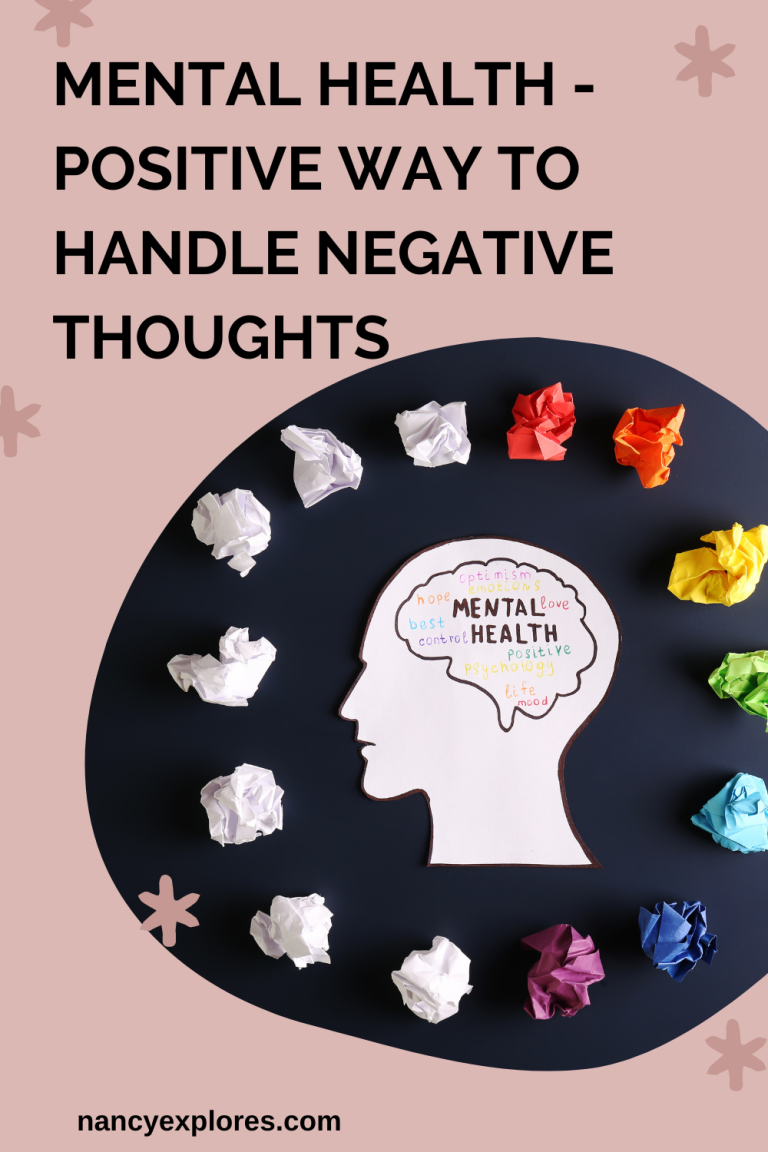
Mental health awareness: Your thoughts have the power to shape or ruin your reality.
Hence, The human brain is the most complicated. Research shows that the human brain processes between 50,000 and 70,000 ideas daily. However, 80% of the ideas that flow through our heads are either negative or repetitious, preventing us from experiencing good mental health.
According to MRI imaging examinations, “Negative thoughts “unfortunately” have a more substantial effect on the brain than positive thoughts. Negative thoughts influence brain regions that induce sadness and anxiety.
Positive thoughts, on the other hand, cause hormonal changes that provide deep enjoyment and fulfillment.
However, these pleasant emotions only stay for a short time. To ultimately reap the advantages, you must repeat these bright ideas frequently.
Fortunately, research and studies have produced excellent methods for breaking the habit of negative thinking and developing a more optimistic attitude toward life.
Furthermore, This method of combating negative thoughts has been investigated and shown to assist many people in transforming mental health.
Therefore, I have provided a list of these helpful methods for changing your thought pattern and learning to deal with negative ideas in a good way.
Be aware of your thoughts:
Stop yourself from having negative thoughts as soon as you notice them.
One thought might lead to another; before you realize it, you’re in deep despair and sorrow over previous errors or injuries.
It is, therefore, critical that you stop at the first negative idea.
The next step is to replace it with a good idea or restructure your thought pattern to be more optimistic. The above action will make you feel happier and more cheerful. E.g.
“Why did this have to happen to me?” negative thought Life is so unjust!
“Yes, this has occurred to me; I cannot reverse this situation; this is not the end of my life.” “I have a lot of excellent things in store for me.”
Keep yourself occupied:
The proverb “an idle mind is the devil’s workshop” is particularly true regarding opposing ideas.
You may have noticed that you are more prone to negative thoughts while sitting idle than when you are active.
According to a study, doing things that keep your hands and mind engaged, such as cleaning, sorting, crocheting, and so on, helps keep your mind off unpleasant thoughts.
Dr. Jane Prince, a psychologist at the University of South Wales, believes “Being busy means not having time to sit and reflect on how unjust life is.” Busyness takes your focus away from yourself and your aches and pains.”
According to psychologists from the University of Texas, keeping active is related to a slew of cognitive benefits.
Hence, the busier you are, the less time you have to dedicate to opposing ideas.
Stay away from Triggers:
It is pretty simple to get stuck in a rut of negative thinking.
As a result, paying attention to one’s surroundings and removing all triggers that may cause negative thoughts is critical.
It might be a present from an ex, a photograph, or a friend or relative who is a frequent source of evil thoughts in your life.
You can easily pick up negative thinking as a habit from others, according to a 2013 study done by Notre Dame researchers.
Avoiding negative triggers and limiting interaction with such people might help you stay calm and cheerful.
Get Adequate rest and sleep:
Sleep deprivation harms your mood, making you nervous, irritated, and furious.
According to psychologists, there is a strong link between sleep and mood.
Getting enough sleep (8 hours) helps keep negative thoughts at bay and improves your mental health considerably. If you find it difficult to sleep, click on good music, meditate with it, and there you go.
Music:
Listening to uplifting music might help keep negative thoughts at bay. When you’re listening to some great music, it’s difficult to entertain worrisome ideas.
According to studies, listening to your favorite music for 25 minutes a day may significantly improve your mood and positively impact your health and day.
Exercise:
Exercise increases passion and excitement
When you exercise, the brain releases the neurotransmitter dopamine, connected with pleasure and happiness, making it more difficult for negative thoughts to enter your head.
Meditation:
Meditation is another excellent method for combating negative ideas and filling your mind with happiness.
According to brain research, meditation can help deactivate the part of the brain responsible for the continual negative thinking cycle.
Even 10 minutes of meditation every day might positively influence your life.
Diet:
Many studies have established a link between a nutritionally poor diet heavy in refined sugars and reduced brain function. Food and mood are inextricably linked.
Eating healthy foods high in vitamins, minerals, and antioxidants nourishes your brain and significantly influences your mental processes and overall well-being.
It is never too late to attempt to change a harmful mind habit. Try the above-mentioned tried-and-true strategies to see how much of a difference positive thinking can make in your life.
Why do I keep thinking negatively?
Everyone has unpleasant ideas from time to time, but negative thoughts that regularly loop through your head can be problematic. Recurring unpleasant thoughts cause anxiety and depression.
Employ the following techniques:
Journaling Your Thoughts During Meditation
Cognitive-Behavioral Therapy (CBT)
Don’t pass judgment on your views.
Do not attempt to silence your thoughts.
Can Negative Thoughts Be Changed?
Negative thinking might feel utterly natural and out of your control. You may learn to retrain your mind and break away from repetitive thinking and negative self-talk if you often utilize the appropriate strategies and practice.
Can We Have Control Over Our Thoughts?
Yes, we have power over our ideas. We are always aware of only a tiny portion of our internal thinking which can govern our conscious thoughts. The vast bulk of our review happens subconsciously.
How Do I Turn a Negative Thought Into a Positive Thought?
Here are a few techniques to change your negative ideas into positive ones:
The quality of someone’s social life significantly impacts their mental and physical health. Both brain and body may break apart without solid, long-term connections.
Individuals begin life reliant on the quality of their bond with their primary caregiver, generally their mother, for survival. Humanity’s existence as a species also depends on our ability to live in groups.
Be Open to Learning: Learning is not attached to a particular age or stage in life.
Development stopped at the exact spot where learning stops. Acquiring the right skill and knowledge will help you to pass relevant messages while interacting with others. In other words, having the proper knowledge about a subject will help you make an impact; in the absence of that, people will get bored listening to you.
Always remember that there is no new topic, but your ability to give effective teaching/conversation makes your case unique. Make good use of any knowledge that comes by; you can never tell when you will need it.
Smile: Smiling makes you more attractive; it’s the fastest way to get the attention of a Listener, the more attracted you are to someone, the easier it is for you to make them laugh, don’t frown on your face all the time. Smiling is a sign of openness; almost everybody would smile back at you and probably want to get to know you.
Participate in relevant conversations: Never allow anxiety to hold you back. Decide to talk to new people and enter into discussions even when you feel nervous. However, it’s not easy at first, but you’ll improve fast if done repeatedly.
Don’t just practice listening more and talking less but also let your mind be present anytime you are having a conversation with other people: this will enable you to know what to say and when to ask questions.
Meet the right people: if you are not sociable, the best way to be is to associate with extroverts and participate in outdoor activities. Participate in group activities and learn to be active and fun. Don’t isolate yourself by constantly scrolling down your phone while with people; keep your cell phone in your pocket.
Be Inquisitive: Learn to use the W and H method of communication in journalism to ask questions, e.g., Who is it about? What happened? When did it take place? Where did it take place? Why did it happen? This clarifies the topic and helps to analyze it before concluding.
Build Your Confidence: Travel, Hangout, visit amusement parks, monuments, museums, and exhibitions and be friendly. Talk to strangers randomly or ask them to take a picture of you with your camera or smartphone, be very kind and spark a conversation. Express your thoughts, your ideas, etc., to others; constantly doing this will make you create a good impression and impact on people as never made before.
Avoid Self hype: Exaggerated claims can sound misleading to people who know you very well, and repeatedly listening to advertisements can be boring to strangers. If there are other options to use as instance/description, make do with it unless the only option left is yourself, then you can go ahead.
Develop A Good Manner Of Approach: Most times, what keeps people close to you is a good attitude/right sense of humor. There is a significant difference between “Please can l have a cup of water” and “Give me water,” “Please can l See Your Boss” and I want to see your Boss, “Please Can l have your number” and “Give me your number” knowing the right thing to say or right way to act is what keeps you going: One of those requests is likely not to be granted by a sensitive person, or they can find an excuse not to present it; This is because you are not entitled to have all your request from others, but your ability to use right attitude is what may give you all; if available.
Be Versatile: Know everything happening around you, read books, news ask questions but don’t involve in the controversial topic ( it can lead to gathering unnecessary enemies)
Pay Attention To Your Body Languages: This is where most people mess themselves up. The worst thing that can happen to any individual is to think that any opposite sex they meet is sexually attracted to them. Not everyone is sexually stupid; You look disgusting when you make sexual moves or look at someone who is not interested.
At times you may end up not passing the appropriate message or making an impact; This is because you’ve built so much confidence in seduction/lust in place of self-knowledge/development.
In conclusion, Social Life will expose you to good and evil; Your ability to filter the bad and take interest is what makes you unique. The fact is that: you can’t comfortably be alone always; meeting people is like a routine.
A confident woman takes a stance in any situation. Confidence boosts a person’s personality and self-esteem.
You, too, are capable of doing so!
Plan ahead of time. You can’t accomplish anything until you prepare for it and hope you get it right.
For instance, if you prepare for a match or competition, you will be ready to face your opponent confidently. Preparation is essential for developing confidence. How do you prepare for self-confidence?
Becoming a confident womanThe proper steps to take
1. Decide on what you want to do. Mental preparation is the starting point for preparedness. The mind should come first, followed by the body. Visualize your strategy for planning.
2. Determine what you already know.
To prepare for the next unknown step, you must first acknowledge what you currently know. What you’ve completed should act as the foundation for your plans.
From ‘Known to the unknown’ is a mathematical technique for teaching mathematics to children. What you know will assist you in resolving the next unknown and progressing to the next level. Move from “the familiar to the unknown.”
3. Determine what you want to achieve.
Before you begin, have a plan of what you want to achieve. Determine your goals so you can plan around them. Set a few achievable goals. Be kind to yourself. Don’t overextend yourself by creating goals and aspirations you won’t be able to achieve. Achieving one goal at a time may help you progressively acquire confidence.
4. Make firm pledges
Once you’ve determined your goals, you must commit to accomplishing them. Setting goals without keeping yourself accountable to achieve each one will not serve your purpose. How to Be Self-Assured
If you make the necessary preparations, you should be able to face any circumstance confidently.
Fear is a natural feeling.
Without the experience of panic, you may be missing your “sixth” sense, which may help you spot danger ahead.
Fear creates misleading evidence in your mind and twists it to seem natural—women who emanate self-assurance.
That type of anxiety is the most dangerous foe of self-assurance. If you are haunted with fear, you will never be able to act.
Whether you avoid it or confront it head-on, you’ll be able to drive fearlessly toward your goals.
How can you overcome your fears and become a confident woman? Female self-assurance
5. Change the F.E.A.R. picture to B.I.G.
Your image must be B.I.G. — ‘best in the game to increase your confidence.’ Your notions cause your fears.
Before surrendering to dread, your mind develops a mind-boggling vision. Transform your F.E.A.R. image into a B.I.G. and affluent one. Experiment with your creativity. Take a mental trip from the start to the final step of your activity.
Consider how you would feel if people praised you rather than mocked you. Examine how people respond to your advice rather than ignoring them.
Consider the person you care about praising you rather than mocking you.
Replay your imagination till you feel confident enough to tackle a job. You may also use your imagination to determine reality!
6. Recognize your worries so that you can deal with them.
Have you ever watched the American reality program “Fear Factor”? You must have seen how the participants faced their problems front-on. They accomplished every ‘nerve-racking’ technique for a monetary prize.
“Imagine a world where your worst fears come true,” the show’s opening words read. You, too, may become conscious of your concerns so that you can address and overcome them.
Various F.E.A.R.s may overwhelm you and steal your confidence, stopping you from achieving your goals. Is it apprehension of failure, concern of criticism, worry of rejection, or anxiety of this or that? To be confident, you must first conquer your fears.
“It is not the absence of fear that is important; it is the victory over it.” “Sometimes you just have to keep going and have faith,” says actress Emma Watson.
Overcoming self-doubt
Self-doubt shows that you do not believe in your abilities to handle any issue adequately. Hence, manifests as a negative inner voice that stifles your progress. It is also a feeling of inadequacy that may impair your self-esteem.
Learn how to deal with self-doubt.
7. Carry on moving
Don’t give up, no matter how discouraged or rough the going is. Continue to try until you reach your goals. You must complete, much like an Olympic athlete, to meet your race regardless of your position. Throwing in the towel before finishing the line may erode your confidence. Do you know how to detect a confident woman? A self-assured woman does not give up easily. She is a results-driven individual—a self-assured woman.
Avoid negative self-doubt thoughts. Who doesn’t hear such gloomy voices? You sometimes hear a voice in your brain telling you you are not good enough to have an admirer. Or for anybody to notice you, for that matter. A self-assured woman. Everyone has a voice, but how you respond to it is what sets you apart. Don’t allow your imagination to play games with you. When burdened with self-doubt, it isn’t easy to progress toward your objectives. Self-doubt often leads to quitting before taking any action.
Feeling unworthy of anything is a dangerous source of self-doubt. You think you are inadequate for any task assigned to you.
Jennifer Lopez famously said, “Doubt is a killer.” “All you need to know is who you are and what you stand for.”
9. Dealing with Inadequacy
When you feel inadequate, it implies that you have self-doubt. You could be eligible and qualified for a promotion in your current job. Or maybe you want to start a relationship. In any event, insufficiency might hurt your self-esteem.
With inadequacy, you doubt your ability to do the work and, consequently, avoid trying it. Face your flaws to learn how to be a confident woman in business or a relationship. Being in self-doubt is damaging, especially while in a relationship. If you think you are undeserving of love, you may put up with an abusive relationship. You continue in the relationship because you are terrified of losing what you don’t have, not because you love it.
Choose a strength suited for your situation.
10. Substitute “I can’t” for “I can.”
Self-doubt is something that one creates for oneself. You need to believe you can’t and won’t be able to do anything. Try believing you can, and you’ll be astonished at how much you’ll be able to do. You’ll be unstoppable and confident in dealing with any situation if you have the right ‘I can’ mindset.
11. Compare yourself to oneself
“I don’t try to be better than anybody else,” Arianna Huffington believes. “All I want to do is outdance myself.” You are extraordinary. Consider yourself your adversary. Don’t compare yourself to others, especially those in positions of authority around you. A disparity like this may be demoralizing and cause self-doubt. Try to outperform oneself from the previous year or month.
You’ve saved more money this year than you did the prior year. Last month, you sold more than ever before. You are confident that you will outperform that this month.
The best part about comparing yourself is that no one can hold you accountable if you don’t beat yourself—a self-assured woman.
I highly advise you to read this article: How to Stop Comparing Yourself to Others! If you want to understand all there is to know about comparing yourself to others, look no further.
12. Recognize your accomplishments
Everyone has their seasons and growth strategies. Think about your progress, where you’ve come from, and where you’re going. When you realize how far you’ve gone and how far you’ve come in your life, you can stop doubting yourself.
Push yourself to the maximum, both physically and mentally.
Have you set any limits to keep yourself inside your comfort zone? Staying in one position for a long time may result in rust. Cut through the bushes to broaden your perspective. How would you go about doing so? How can you boost your self-esteem?
13. Make an effort to get outside of your comfort zone.
Experiment with things that are outside of your comfort zone. Make a move toward the most uncomfortably unpleasant position you know. Break out of the confines of your comfort zone. Doing what seems to be impossible can strengthen your confidence muscles.
Instead of sitting and watching T.V. programs one after the other, feeling unhappy, begin searching for jobs at the company that you want. Approximately five applications are uploaded each day. After all, you can’t work in all of those locations simultaneously. All you have to do is work for one firm. You don’t want to lose out on an interview among all those applications.
Adopt the proverb “no pain, no gain,” and you’ll be well on your way to self-assurance.
14. Overcome your obstacles
There is a solution to the exam you struggle to pass to get the desired promotion. The first choice is to do everything possible to pass the exam.
If you keep postponing or procrastinating, you may never make any progress on the promotion. Increase your chances of success by physically and mentally launching your ideas.
Once you’ve overcome your first episodes of procrastination, you’ll be more confident in proceeding with the rest of the process. The girl is self-assured.
15. Take risks to seize an opportunity.
Your self-assurance is responsible for your social life, career, home, or relationship. Your confidence pulls you ahead in your endeavors. You may get access to life’s potential through taking risks.
To become a self-assured woman, you must take chances and expose yourself to criticism. Accept being laughed at, stepped on, and other “hard knock” experiences to seize opportunities.
“You wouldn’t be so worried about what other people thought of you if you understood how seldom they do.” (This comes from Eleanor Roosevelt.)
Show self-assurance.
In your look, you must convey positivity!
The responses of people when you approach them may “make or break” your confidence. Maintain a neat and well-groomed appearance. Consider a teacher; children may judge a teacher’s intelligence based on appearance. A critical analysis of your arrival may diminish you and lead you to lose confidence.
How do you come off as self-assured? How do you become a confident woman?
16. Pay attention to your clothes.
The way you dress may convey a lot about who you are. You put on your most delicate clothes. Your clothing makes the first impression on a potential future consumer or companion. How someone perceives you when you first meet may either enhance or deflate your confidence.
Wear proper attire for the occasion. Is it true that a beautiful woman is confident or that a confident woman is attractive? People form opinions about you depending on how you seem. Make the best impression you can on everyone you encounter.
17. Improve your physical appearance.
Your attire may be flawless. Does your appearance complement your outfit? Make sure you’re well-groomed to match your clothing. Your physical appearance is unquestionably crucial in enhancing your self-esteem.
Consider your achievements. Looking back and seeing how far you’ve gone may boost your self-esteem. Is it because of your recent promotion? Is it your connection that you have effectively navigated? Consider your previous successes, no matter how minor, to help you become a confident lady.
How are you able to do this? How do you convey self-assurance?
18. Maintaining a record of all your achievements
Count your triumphs to increase your self-esteem. Recognizing how far you’ve come may convince you that you’re capable of doing anything.
19. Tell us about your accomplishments.
Share your successes with the people in your life that are important to you. Listening to positive remarks about your talents may boost your confidence. Recognize your achievements.
Allow yourself pleasure. You’ve worked hard for it. After all your efforts, you deserve to reward yourself with a luxury gift or an adventure. It would help if you were the first to congratulate yourself. You’ve completed the task!
How would you go about doing so?
20. Self-assurance: becoming a confident woman
Make yourself a cheerleader. When you do a task correctly, be the first to pat yourself on the back. Tell yourself, “I did it”
Accept your accomplishments as well as your weaknesses. Then, you will be able to work on your shortcomings without losing confidence. Everybody falls short in some way. What matters is how you recover from your debacle. Therefore, accept your mistakes and malfunctions, repair them, and then move on.
It would help if you never were terrified to fail. We all learn through failing.
21. I love you
I applaud you for being yourself. Begin your road of love by loving yourself. You will then understand that you are lovable. Loving oneself is the summit of being a self-assured woman in a relationship. Love from others is attracted by self-love. When you love yourself, you live a happy, self-assured life.
When people realize that you love and value yourself, they will reciprocate. See in yourself what you want people to see in you.
You’ll conceal it from others if you don’t see anything admirable in yourself.
For example, suppose you are lovely at singing but are self-conscious about it. In that case, you will never be able to perform in front of others. Nobody would ever know how excellent you are at it.
22. Be genuine.
Don’t give up your uniqueness for the sake of others. Stop striving to be who you believe people expect you to be. Be your person!
Pretending to be someone you’re not might undermine your self-esteem. Push yourself to your physical limits. You’ll never be able to overcome your physical and psychological limitations. No matter how hard you try. Able to satisfy everyone’s desires. Decide on what you want to do and where you want to go.
Listening to other people’s views may lead to inaction. People have various points of view, and striving to live up to all of them might be detrimental to your success. You are one-of-a-kind, and you are YOU!
In Conclusion
becoming a confident woman is a step-by-step process. Only you can strive to take the initial step. Create a confident woman’s attitude and attempt to keep it. Once you have that mentality and accept yourself, the rest will fall into place.
A tough decision making during tight expenses is the decision to save money, even if you have cut the cable, dinners outside the city, and their coffee with milk.
One of the reasons that saving is problematic is that their fixed expenditures, or prices that remain constant month after month, such as rent or mortgage, vehicle payments, property taxes, and insurance premiums, are often the most costly. These are difficult to get rid of. Moving to a smaller apartment might save you money on rent but is also expensive.
We do not have a magic trick that saves money that will send the balance of your bank account to the increase, but several small forms can save money. And it is the small things that are added. Continue reading if you are ready to start saving.
How to start saving: First, establish your goals.
We understand that going to the doctor or DMV is an unpleasant experience. This is an essential first step if you want to start saving money.
Fortunately, the best budget applications simplify analyzing expenses and discovering places to save. Just go to more than many months of fees to get a clear image of where your money is going. Do not forget the out-of-the-ordinary costs, such as vacation gifts and car registration.
If you do not establish goals for yourself, your budget will make you feel horrible about the little money you are saving. Explain why you are committing to motivating to be a priority.
Consider your short-term objectives for the next year or two. Examples include
creating an emergency fund for your family,
saving for the initial payment on a house, or
planning a trip.
Consider your long-term objectives, such as increasing the amount of money in Plan 529 for your child or retirement savings.
25 ways to save money if your paycheck is too small
Here are 25 money savings suggestions. The good news is that you do not need to eliminate anything in particular. Continue to invest in it if it is essential for you. You can get rid of other things that do not hurt too much.
1. Purchases must be expected.
Although it cannot time a car repair or a veterinary invoice, knowing when to acquire the most incredible bargains in non-essential things can result in significant savings. Do you need a TV? Wait until January, when the previous year’s models are lowered to leave space for the new ones. Are you looking for new furniture? Because retailers generally clarify their inventory around July 4, Julio is an excellent time to buy cheap furniture.
A woman smiles while she holds a drink and a courtesy’s shirt sandwich.
Robin Hartill de St. Petersburg, Florida, was the lucky winner of a free birthday submarine from Jersey Mike’s. Mike’s subs are Penny Harder and Tina Russell.
2. Discover how to get products for free.
It is not the only way to save money to become a hermit. There are several ways to get free things or have fun at a low price. Here is a handful of our personal favorites:
Use Facebook and Nextdoor. Before spending money on furniture or baby equipment, see the nothing shopping groups on platforms such as Facebook and Nextdoor to see if a neighbor seeks to get rid of something similar.
Get free meals by downloading an application. Many restaurants offer Bogo gifts or offer in exchange for installing their applications.
Born entitles free products. If your birthday approaches, you can be eligible for many gifts, often not only on your actual birthday but at any time during your birth month.
Visit your local library to get free entertainment. The library card is more than a means to borrow books made of dead trees. Several free library applications allow you to access electronic books, movies, music, and other media without spending a single penny.
Exchange articles or services with another person. Learning barter can help you get what you need without spending money.
3. Permanently eliminate your credit card debt.
The average app for those who have credit card debt exceeds 16%. When he does not pay his balance, his bank rejoices because he is absorbing. Stop filling your bank pockets and end your romance with credit card debt once and for all. Consider the following strategies:
The debt snowball method attacks the smallest first balance.
The debt avalanche strategy concentrates on the highest-interest credit card.
A debt consolidation loan combines all your payments in a
4. Benefit of low-interest rates.
Interest rates are historically low, which implies that the high-performance savings account that provided 2% or 3% API Once Upon a Time-Ahem, in 2019 now offers less than 1%. However, refinancing your mortgage may enable you to take advantage of low extraction interest rates. Because closing fees must be paid, a solid general rule is to refinance when a point of perception or more may decrease your interview rate.
5. Reduce the payments of your student loan.
Whether you are hardly experiencing your student loans, talk to your administrators to see if an option is a reimbursement plan promoted by income for federal loans. This program will extend its reimbursement in Perivurery from 10 to 20 years. It will be forgiven if you still owe money after 20 years, although you will still have to pay taxes on your income. Contact private student loan administrators to see if you can decide on your payments.
A person kitchen meals at home.
Shane and Melissa Courtney prepare their lunches and dinner in Tampa to save money to eat outside. They compete in a local farmer’s market and use less expensive vegetables such as cabbage. They also buy in bulk at Amazon, such as rice noodles. Chris Zuppa by The Penny Harder
6. Make your meals. Don exaggerates it.
Edible stores use subtle mental games in you, and you are making a list of groceries and investing a few hours every week in meal preparation is a fantastic way to avoid money collection practices.
However, Don is too ahead of himself. If you are an Uber eat addict with only three in your pantry, you will fail if you want to cook 21 meals weekly. Start with a smaller goal: providing breakfast and lunch daily and dinner three nights a week.
Advice
Buy bulk if the article has a long shelf life or the component fits in its freezer for future cooking.
7. Remove so many from the appropriate employer.
Not only are we talking about negotiating your salary and asking for an increase when you have won it. However, those are vital and uncomfortable steps. Roughing long-term savings, I know you are not wasting Miney for free. If you work for a company that provides Plan 401 (K), make enough contributions to obtain the complete withdrawal of your employer. Make use of any coincident contribution to your health savings account. You can use the money you save to cover your expenses, your spouse’s expenses, or the expense of a dependent family member.
8. Did you receive the increase? Congratulations, but don’t waste it.
Are your preferences more perfect with each promotion? This is known as lifestyle inflation and a renewed savings destroyer. You do not have to live forever as if you were in income level income. Insert in advance for future increases so that their living expenses maintain the rhythm of their profits. For example, save half of your next salary impulse and invest the rest.
9. Be careful with anything like a good offer.
If you spend an additional $ 11, you will get free shipping. Scase the motorized shopping cart. If you are tempted to pay an admission dollar for your presentation that seems “free,” it is not.
Playing the credit card rewards game is another excellent example. Yes, you can get free flights and return the money. However, it is only accessible if you do not spend extra money to get asparagus and if you pay your debt in its entirety every month. Otherwise, you will pay significantly more at INTEREST than in compensation.
Cancel any non-essential automated purchase.
Stopping meaningless spending includes more than avoiding buying at night and trying purchases of groceries. You have monthly subscripts and memberships that drain your bank account for the things you rarely use.
One of the best methods to save money is to analyze gym memberships, transmission services, subscription boxes, and anything else that automatically pays each month. It is time to eliminate every day you have not used in the previous mount. Be attentive to the free tests that you did not cancel.
Advice
Avoid keeping your credit and debit card information on websites where you make frequent purchases. It will make it more difficult for you to waste money.
11. Identify the energy pigs that are increasing your energy invoice.
No, we are not going to tell him to spend thousands of dollars on solar panels from his home to save money on his electricity bill. However, there are a few basic tactics that can help you in saving money on utilities. Simple efforts such as regularly cleaning air filters and switching to more energy-efficient light bulbs may significantly influence energy costs.
12. Rather than buying a new item, repair what is damaged.
Something that has been shattered does not always mean that it has been destroyed. Learning some simple DIY techniques may make your somewhat damaged belongings seem new again. Even if you don’t have a sewing machine, mastering a few basic sewing stitches will enable you to repair clothing for yourself and your family. There are several free internet resources available for acquiring home repair skills.
When it comes to major repairs, though, know when to call in a pro. It’s worth the cost when repairing a large-ticket item or doing anything that might endanger your safety.
13. Reduce the cost of prescription drugs.
Whether you have health insurance or not, researching before filling your medications is usually a brilliant idea. Suppose you don’t have insurance and are a Prime member. In that case, you may save up to 80% on generic medications and 40% on name-brand drugs with Amazon Pharmacy. A prescription medicine card might help you save money, even with health insurance. You can request that the pharmacist compute the cost using your insurance and the card to determine which option is less expensive.
If you have to pay for medicine out of pocket or your insurance carrier places it in a high-priced tier, talk to your doctor or pharmacist. A less costly solution might be provided. Over-the-counter drugs should always be purchased in generic form. The FDA requires generic medications to be chemically comparable to their brand-name equivalents.
14. Cancel your cell phone plan if you have a prominent provider.
You won’t have to worry about sporadic coverage when you switch to a low-cost mobile phone plan. Most low-cost plans use one of the four major carriers’ networks, so the only thing you stand to lose is your out-of-pocket price. Depending on your project, data restrictions may apply. Some may also require an unlocked smartphone.
15. Find the money you’ve long forgotten about.
Some money-saving tactics need an absurd level of self-control. So here’s a quick suggestion that might help you save money in three minutes or less. Check your state’s unclaimed property website to check whether someone owes you money.
Unclaimed money affects at least one out of every ten Americans. You may discover funds in old security deposits, bank accounts, or even a life insurance policy that you were unaware a loved one had left you. Making a once-in-a-lifetime windfall work for you is to make the most of it. This might involve setting away money for savings, investing it, or paying down debt.
Switching bank accounts is another method for obtaining a quick cash influx. Some of the best bank promotions may pay you $500 or more just for opening a new account. Just read the fine print because a bank account with high fees or minimum balance requirements might cost you much money.
17. Make a plan for your tax refund ahead of time.
Some financial gurus will make fun of you if you get a hefty tax refund since you’re giving Uncle Sam a zero-interest loan. We advise you to do whatever works best for you. Has less money withdrawn from your paycheck to save or pay off debt? However, if the promise of a substantial tax return motivates you, playing piggy bank with the IRS is OK. Plan how you will spend your tax refund to benefit you in the long run. Here are a handful of our personal favorites:
Please put it in a savings account for an emergency or a future payment.
Reduce the balance on your credit card with the highest interest rate.
Make an extra mortgage or vehicle payment.
Boost the value of your Roth IRA.
Set it aside for your child’s college fund.
A person rides a bicycle in the park as the sun sets. Aileen Perilla of The Penny Hoarder
18. Travel on two wheels whenever possible.
Even if giving up your car isn’t an option, commuting by bike a few days a week can help you save money on obvious expenses like gasoline and parking. However, riding your bike has one advantage: you can fit less in your basket or backpack than in your automobile trunk. Riding your motorcycle reduces the temptation if you have a habit of stopping for takeaway on your way home from the grocery store.
19. Cancel any extraneous insurance.
Insurance may appear to be a waste of money because, presumably, you will not use it regularly. Having appropriate house or renters, vehicles, and medical insurance is one of the most efficient ways to prevent a financial disaster.
On the other hand, certain types of insurance are a waste of money. For example, if your car is old and only one fender-bender away from being scrapped, you probably don’t need collision or comprehensive insurance. Because the scenarios in which accident or critical illness insurance will cover you are limited, you may not want to pay for it. Even life insurance may be ineffective if you are single with no dependents.
ADVICE
Insurance discounts are usually available when you combine your coverage. You may, for example, save money by getting your vehicle and renters insurance from the same company.
Take part in a no-spend challenge.
Duh. It appears to be so simple: do not spend your money. Participating in a no-spend challenge, in which you commit to not spending any money for a certain period — a month, a week, or even a single day — may help you limit your spending.
You might also experiment with a customized version. Take part in a pantry challenge, in which you forego going to the grocery store and instead feed your family using goods you already have on hand. Create a capsule wardrobe, in which you select a specific amount of clothing items and use them as your only wardrobe for a specified time.
Dental Hygienist students clean people’s teeth at a clinic. Students work on patients at the St. Petersburg College Dental Hygiene Clinic in Pinellas Park, Fla. Chris Zuppa of The Penny Hoarder.
21. Look for services at trade organizations that provide discounts on services.
If you’re looking for ways to save money on expensive services, allowing a student to practice on you may be advantageous. Local trade institutions offer cosmetic treatments, sonograms, and massage therapy at steep prices. If you live near a university and are brave enough, a student dentist may be able to provide you with low-cost dental care.
22. Obtain financial support for free or at a minimal cost.
If you’re having difficulties keeping to your budget or reducing your spending, it’s appropriate to seek help. Working with a financial advisor does not have to be expensive. In contrast to financial planners and consultants, who usually cater to customers with a higher net worth, a financial counselor is educated to help regular people manage their money daily. Many provide their services free or at a reduced cost through a bank, school, or non-profit organization. Some operate independently and charge a sliding scale based on your income.
23. Look for ways to earn extra money.
There’s no getting around it: conserving money isn’t always possible, especially on a low budget. One reason is that your fixed costs, such as rent or mortgage, medical insurance, and vehicle payments, are typically your most significant expenses – and the most difficult to lower.
If you’ve done everything and still can’t save, it’s time to start looking for ways to make money. It isn’t always possible to switch to a higher-paying career. However, you may still conduct a side hustle, find a work-from-home job that you can do part-time, or generate extra money selling stuff online.
24. Seek low-cost ways to indulge yourself.
Any decent savings strategy has some wiggle room so that you can treat yourself once in a while. Rather than drinking at happy hour, get quality but reasonably priced bottle of wine to savor at home. Make your spa day with items you most certainly already have on hand. If you’ve been cooped up at home for too long, you may modify the style of your living space without spending a dime.
25. Share your achievements and struggles.
One of the most successful money-saving tactics is to inform others that you are working to save money. This may assist you in preparing your friends and family for when you decline to join them when they make expensive plans.
However, it is not the only advantage. It’s easy to feel like you’re the only one who struggles to save money when you scroll through Instagram. However, you are not alone. Find other people who want to save money in your social circle or join a similar online group. When things are bad, you may share money-saving tips and receive encouragement.
And what happens when you achieve your savings goals, no matter how big or small? Share the love. Let’s discuss it. Tell them how you saved money — and how they, too, can do it.
Procrastination is the act of abandoning a job, a decision, a task, and a plan for an uncertain moment. The habit of procrastination has killed many dreams more than money and villagers.
If you are one of the new year resolution takers that end up making claims of perfectionism without taking any measure or seeing the step on the road, you have to ask:
“Why am I still establishing vague goals and not reaching them?”
In addition, if you have already blamed someone, you have nothing to achieve anything you want to achieve; think about this self-destruction called procrastination.
Honestly, I might believe that the possibility of not achieving your dead objective is a sufficient reason not to start. But, above all, what are you looking for?
Avoiding procrastination is a high level of self-discipline and self-control.
Procrastination also consists of ignoring an essential task in favor of what is more pleasant or accessible. Success is not easy. At any time, it is apologizing for why you must opt for a more manageable task; Even when you know that the complex is the perfect option, you are postponing.
However, yielding to this impulse can have serious consequences. For example, minor procrastination episodes can make us feel shame. This can reduce productivity and make our goals not achieved.
When we delay for a long duration, we could lose and disappoint ourselves for our work, leading to depression and, in severe circumstances, a loss of employment or goal.
Table of Contents
How to avoid procrastination
Like some other habits, it is possible to overcome procrastination. Follow the steps below to help you avoid procrastination:
Step 1: Accept that you are finishing.
You could postpone a task because I had to reorganize your workload. If you briefly delay an essential task for a good reason, do not postpone. However, you are waiting if it often begins with things because you want to avoid a job.
Another way of knowing that it is procrastinating is:
When it fills the day of your task with low priority.
Leaving an article on your task list for a long time, even if it is essential.
Read the emails several times without deciding what to do with them.
Start a high-priority task, then go for coffee.
Complete your time with unimportant tasks for others to ask you to do the essential functions already on your list.
Wait until it is in “good humor” or wait for the “good moment” attacking a task.
Step 2: Explain why you are practicing procrastination
You must understand why you are postponing before you can start facing it.
For example, does it avoid a particular task because it finds it boring or unpleasant? In that case, take appropriate measures to eliminate it quickly so you can concentrate on the aspects of your work that are more pleasant.
Poor organization can lead to procrastination. Organized people exceed it successfully using priority task lists and creating effective schedules. These tools help you organize your tasks for priority and deadline.
You can always feel overwhelmed by a task, even if it is organized. Maybe he doubts his skills and fears failure, so he informs him and seeks comfort to work; he knows he can end.
Some people fear success as much as failure.
You think success will overflow with requests for information to assume more tasks. Surprisingly, perfectionists are often cautious. Often, you prefer to avoid a task that you do not have the feeling that you have the skills to do it imperfectly. Another leading cause of postponement is the wrong decision. If you can’t decide what to do, you probably take measurements if you are doing the bad. You have a deadline that emerges. Instead of doing their job, however, they dine with various things such as jerseys, social media, videos, surf blogs, and forums. You know you should work but don’t want to do something. We all know the battery phenomenon. When we hesitate, we waste our free time and place essential tasks that we should do until it is too late. And if it is indeed too late panic and wishes, we started. The chronic powder I know has spent years of their lives in this cycle. Delay, dissuade things, leave up, hide from work, work only when it is inevitable, then repeat this loop. This is a bad habit that we eat and prevents us from getting more results. In all cases, these 11 steps also apply to you:
Break your work into small steps Part of the reason why we hesitate is that we unconsciously keep the work too crushing for ourselves. Cons up it in small portions, then focus on a game. If you always hesitate after breaking it, you will continue to solve it. Soon, your work will be so simple that you will think: “Gee, it’s so easy that I could do it as well now!”.
Change Location Different surroundings have different effects on our productivity. Take a look at your office and your room. Do you want to work or want to cuddle and sleep? You should examine how to change your work area if it is the latter. One thing that must be considered is that an environment in which we feel inspired can lose its effect after a while. For that reason, it is time to change things. See steps n ° 2 and n ° 3 of the 13 strategies to start your productivity in which you revise your environment and work area.
Create a detailed chronology with specific deadlines Having only a deadline for your work is like an invitation to hesitate. This is because we have the impression that we have time and reject everything until it is too late. Break your project (see tip 1), then create a total strip with specific deadlines for each small task. This way, you know you must do all the charges until a particular date. Your schedules must also be robust – d. H. If you do not finish this to date, it will endanger everything you have planned later. In this way, he manages to act the urgency. My objectives are divided into monthly and weekly tasks, up to daily tasks. The list is a call to action I must achieve on the specified date. Otherwise, I will delete my objectives. Here you will find more advice on establishing deadlines: 22 tips for effective deadlines
Remove your delay boxing stops If you hesitate too much, it may be because you make it easier to pause. Identify your browser bookmarks that take a long time and move them to a less accessible separate backrest. Stop the automatic notification option in your email client. Descend the distractions around you.
I know that some people will delete their Facebook accounts or deactivate them. I think it is a little drastic and extreme because it is more about being aware of our actions than countering auto-liaison methods.
The free accelerated class cannot find other tips for withdrawing your boost boxing stops. This is a 30 -minute targeted session in which you understand more about your fall behavior and overcome it once and for all. Now.
Hang with people who inspire him to take action I am sure that if you only talk to Steve Jobs or Bill Gates for 10 minutes, you will be inspired more to act than if it has been 10 minutes without anything to do. People who influence our behavior. Of course, it is probably not a practical method to spend time with Steve Jobs or Bill Gates every day. However, the principle applies the hidden power of each person around it. Identify people, friends, or colleagues who are probably triggered workers and hard workers and depend more frequently. Soon you will also bring your impulse and your mind. As a blogger for personal development, I “go out” with experts inspiring personal growth, reading your blogs, and regularly corresponding to you by email and social networks. It is communication through the new media and works the same.
Get a friend A partner is much more fun for the whole process. Appealingly, your friend should be someone who has their own goals. Both will remain with each other for their objectives and plans. Although both do not need to have the same purposes, it is even better if this is the case for them to learn from each other. I have a good friend with whom I speak regularly, and we always ask ourselves about our goals and progress in achieving these objectives. Unnecessarily mention that it makes us continue taking action.
Talk to others about your ambitions This serves the same function as no six on a larger scale. Share your projects with your friends, colleagues, acquaintances, and relatives. If you see them now, you must ask them about your status in these projects. Try to achieve help and tutoring. It cannot expand in a vacuum. It’s okay to support your trip and provide objective comments. What other way will you judge realistically if your result is perfect or not?
Find others to face you and contact. If it is not a great name for people around them, they will probably find they are ready to help. Even if it is difficult to achieve, look at the interviews with you or look for instructions that you have published in the past. Part of the problem they were confronted with is that they can only see how the perfect result should be as filtered. Suppose you understand what the community (and the market) generally see as the ideal result for something; you will receive a much clearer and more realistic idea of what you need to fight. From there, you can see what you lack and what gaps it should be. Get used to better defining your terms. Think about your language, whether you talk to others or your internal monologue. What do you say to yourself?
Look for someone who has already achieved the result What do you want to achieve here, and who are the people who have already completed this? Look for them and connect with them. The living test of seeing that its objectives are very easily accessible if it takes measures is one of the best triggers for actions.
Small your goals again Suppose you doubt for a more extended period. In that case, this may reflect mismanagement between your goals and your current work. When we discover more about ourselves, we often grow from our goals, but we do not change our plans to reflect this.
Leave your work (a short vacation will be good, otherwise, only a weekend break or a stay) and take time to group again. What would you like to achieve exactly? What should you do to get there? Which are the steps to follow? Does your current work coincide? If not, what’s your solution?
Stop doing things Are you waiting for a perfect moment for it? Maybe that is not the best time for unnecessary reasons. Leave this idea because there is never an ideal moment. If you keep waiting, you will never get anything.
Faultfinding is one of the main reasons for the postponement. Read more about why perfectionist trends can be a curse than a blessing: why is it possibly not so perfect?
Get a handle and do it In the end, it is reduced to taking action. You can carry out all strategies, planning, and hypothesis, but nothing will happen if you do not take measures. Occasionally I get readers and customers who complain about their situations. However, they still refuse to take steps at the end of the day. Indicate: I have never postponed someone to success, and I doubt I will change soon. Whatever you wait, if you want to do it, you have to control and do it.
Set correct intentions correctly Equipped with this learning, you will naturally find that your focus changes on your goals. However, you also have to learn to establish the intentions correctly.
Us president Children Are Not Allowed to Do The Following While in the White House
It should come as no surprise that when Us President’s family moves into the White House. Us President Children must follow a strict set of rules. Being the President of the United States, son or daughter, is challenging. Especially at such a young age, and comes with much pressure. Growing up in a spotlight you did not ask for. Then the experience of the public keeping an eye on you can be overwhelming.
Although there are some advantages to being the President’s child, some rules and guidelines must be followed. These rules could include using social media, attending school, or Attitude inside the White House. Some of these rules can be amended if necessary, but risks may cause public outrage. Here are the rules that presidents’ children must follow and what they can and cannot do.
Table of Contents
US President’s Children are not permitted to have publicly accessible social media accounts.
Nowadays, it is not easy to find a teenager who does not have a public social media account. Especially on apps like TikTok and Instagram. Unfortunately, presidents’ children are expected to avoid public platforms and keep their private lives private. Because every move they make is being recorded, as a result, they would want to keep what they share online confidential.
Malia and Sasha Obama are well-known for their use of social media. According to People, Michelle Obama confirmed her decision not to follow either of her daughters on social media. According to an interview with Oprah Winfrey, Michelle asserted that they are both mature enough to make their own decisions, particularly in their online personas. However, she mentioned that she continues to have people follow and monitor the girls’ social media accounts. “It is better if they are checked by someone younger than me,” explained the former first lady.
During Donald Trump’s presidency, the former first lady Melania Trump confirmed that Barron Trump had no social media platforms and was more interested in sports.
US President Children are not permitted to have publicly accessible social media accounts.
Cruising in a car with your friends, blasting loud music on the radio. And the windows down is one of life’s simple pleasures. Unfortunately for Malia and Sasha Obama, the President’s children, this was strictly prohibited. Except when the former President let Sasha’s prom date drive her to the school dance. With Secret Service riding “the boy’s bumper” the entire time (via Vogue).
Because the President is not permitted to drive on public roads, Sasha and Malia could never accompany their parents in the car. When they were going with their friends, the same rule applied. “Normally, Malia and Sasha were not allowed to ride in anyone else’s car for security reasons. Michelle Obama wrote in her book “Becoming” about her family’s life during her husband’s presidency (via the Chicago Sun-Times).
US President Children are not permitted to have publicly accessible social media accounts.
Although the first family appears to live a life of eternal luxury. Which is not always the case. Over the years, presidents and their families have received lavish gifts from foreign dignitaries. However, they can only accept them if the value falls within a specific range.
Gifts to the President, first lady, or their children in January 2014 cannot exceed $375 in value. The Atlantic reports that any assistance given to the first family is sent to the National Archives. And is considered government property. Essentially, the better and more expensive the gift, the less likely the recipient will keep it. If the President decides to hold an estate worth more than $375, they must pay for it in full.
According to NBC News, the Obamas were given an exclusive parking pass to the United Center in February 2016. To attend any sporting event they desired. Games involving the former President’s hometown team, the Chicago Blackhawks, were included. Unfortunately, this was one occasion when they could not keep the gift.
US President’s Children are not permitted to have publicly accessible social media accounts.
One known misconception about living in the White House is that the first family is constantly served high-quality food. It is not easy to believe they do not eat lavishly occasionally, given that they have some of the most talented chefs catering to their every need (via HuffPost). However, it is possible to eat luxury foods every day. The President and the first lady must pay the price. Without their parents’ permission, the President’s children will be unable to eat the finest steaks or lobsters.
Former First Lady Michelle Obama confirmed in 2018 on “Jimmy Kimmel Live!” that the White House covers rent and staff costs. The family is responsible for their food bills at the end of the day. “They do not mind if you do whatever you want.
US President Children are not permitted to have publicly accessible social media accounts.
First ladies and presidents’ children. The President of the United States must always be accompanied by Secret Service whenever they leave the White House. To keep them safe and sound. According to CBS News, President Barack Obama signed the legislation. Allowing former presidents and their spouses to accept a lifetime of Secret Service protection. However, they can decline it if they wish. This repealed a 1994 law limiting future former presidents’ and their families’ protection to ten years after their term ended.US President’s. Children presidents are also entitled to this protection until they reach the age of 16.
According to ABC News, former President Donald Trump decided in January 2021. To grant his four adult children, their spouses, and select White House staff members Security for additional six months after his term ended. However, it is not unpopular for children to be granted this extended protection. It is usually given to minors or young adults who have lived in the White House.
US President Children are typically not enrolled in public schools.
US President children are not barred from attending public school as they are expected to attend a private school instead. The Atlantic reports that sending one’s children to a private school quickly became the norm for a US president. When President Donald Trump and his son Barron attended St. Andrew’s Episcopal School in Maryland. Sasha and Malia Obama attended Sidwell Friends School in Washington, D.C., which cost $40,000 per year (via Insider). Private schools are preferred to ensure the President’s children’s safety and Security and avoid public exposure in a larger setting.
Although first, children have mostly attended private schools. President Jimmy Carter sent Amy Carter, his 9-year-old daughter, to a D.C. public school in 1977. Despite having the resources to send his daughter elsewhere. He chose “exclusive private schools that allow the children of the political and economic elite to avoid public schools deemed dangerous or inferior.”
US President Children are not permitted to open windows at the White House.
One of the most significant limitations of living in the White House. Is that all windows must be kept closed at all times. After all, the President’s family must be safeguarded at all times. At the United States of Women Summit. former First Lady Michelle Obama narrated in an interview with Oprah Winfrey how Sasha, her daughter opened her bedroom window and the feedback that ensued.” ‘Shut the window!’ It did not open again, “She stated. At first sight, this may look easy to follow. But imagine being a kid and unable to open a window for fresh air on a lovely spring day!
This was one of Michelle Obama’s top priorities. She prepared to leave the White House after former President Barack Obama’s term expired. On “The Late Show with Stephen Colbert,” she was asked what she was looking forward to doing after moving out. “I want to do little things like, you know, open a window,” she jokingly stated.